






 Napájací kábel C13 až C15: zárez, teplotné hodnotenie a ktorý z nich potrebujete


What Is Pelletized Rubber Material Used For
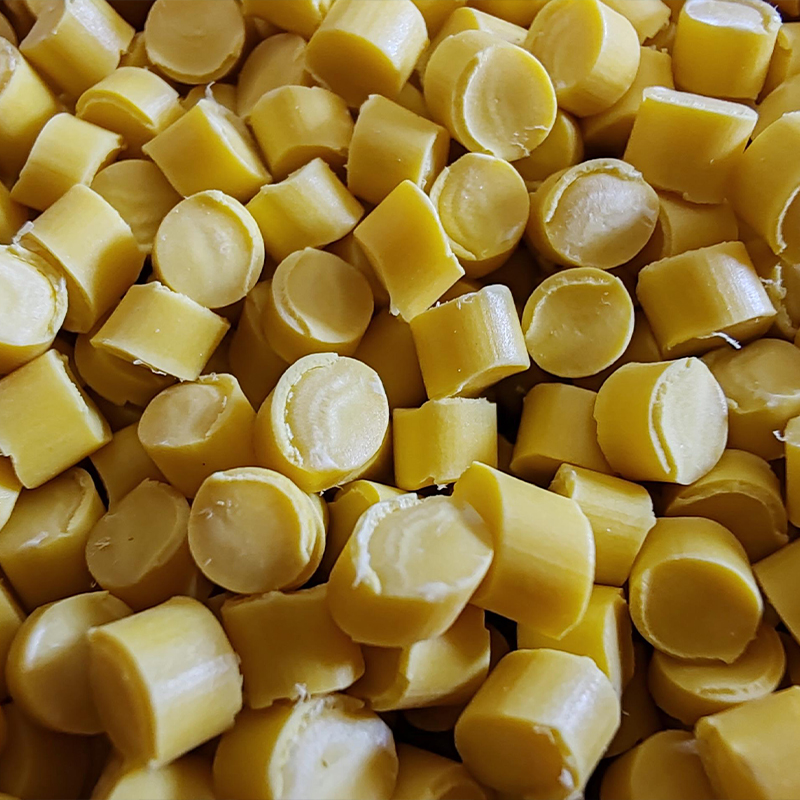
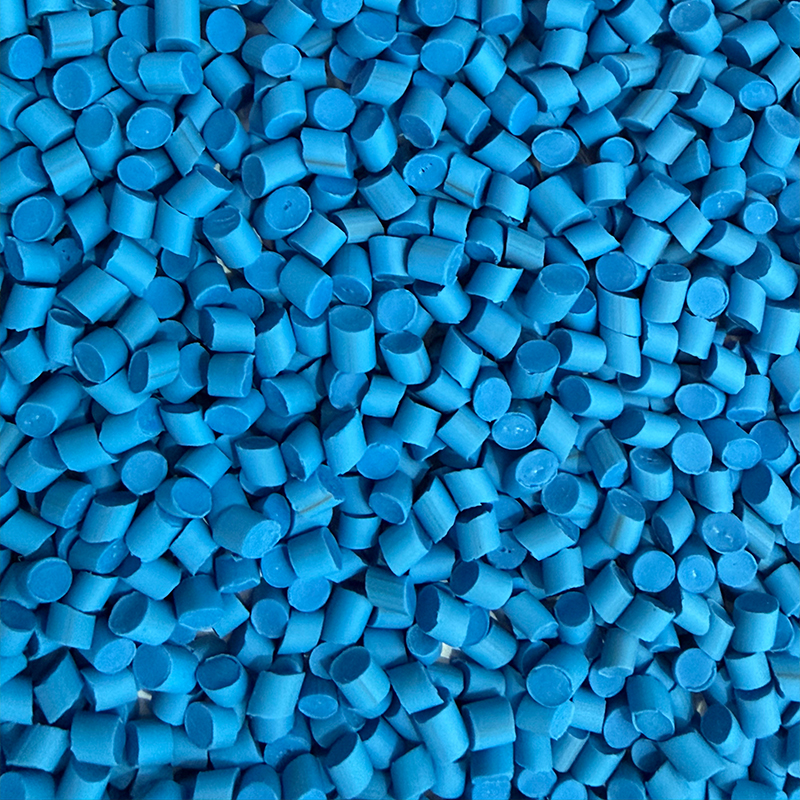
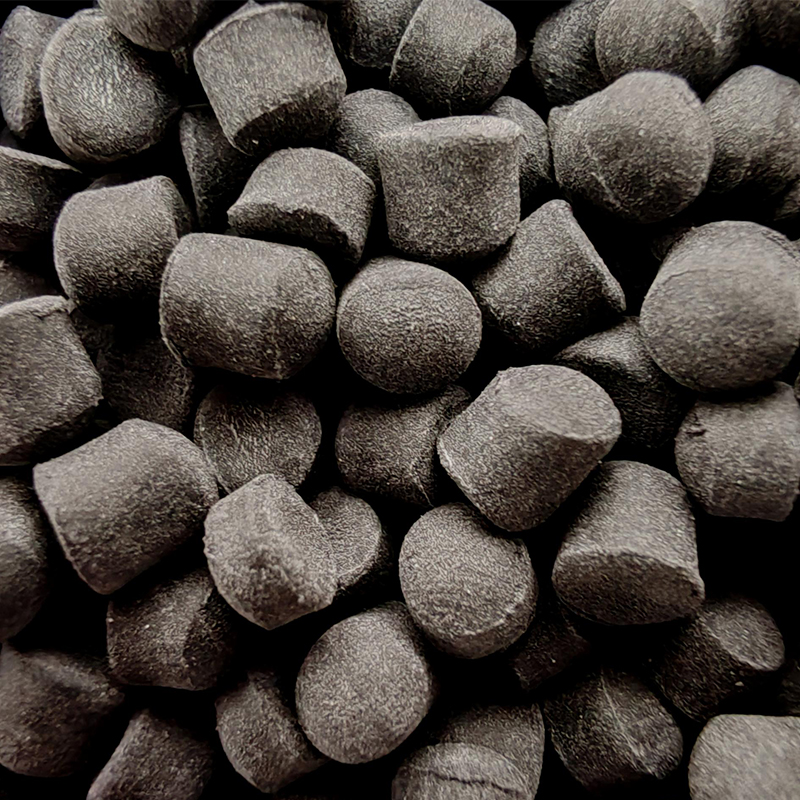
Pelletized rubber material refers to rubber compounds processed into small, uniform pellets rather than sheets or bales, making them easier to store, transport, and feed directly into extrusion or molding equipment. This form is widely used in the production of rubber cables, seals, hoses, and protective sheathing, where consistent material dosing has a direct impact on finished product quality. In cable manufacturing specifically, pelletized rubber material supports the insulation and jacketing layers that protect conductors from moisture, abrasion, and temperature extremes.
Compared with traditional bulk rubber, pelletized formats reduce material waste during processing and allow for more precise control over mixing ratios, which is essential for meeting strict electrical and mechanical performance standards.
Key Advantages of Pelletized Rubber Material
Consistent Processing Performance
Uniform pellet size ensures even melting and mixing during extrusion, reducing defects such as air pockets or uneven wall thickness in the final rubber cable jacket.
Improved Handling and Storage Efficiency
Pellets flow more easily through automated feeding systems than raw rubber blocks, minimizing manual handling, reducing contamination risk, and shortening production changeover time between different formulations.
- Lower material waste during compounding and extrusion
- Easier integration with automated dosing systems
- More stable mechanical and electrical properties in finished products
How Pelletized Rubber Material Is Produced
Production typically begins with raw rubber, fillers, plasticizers, and additives being combined in an internal mixer to achieve a homogeneous compound. The mixed material is then extruded and cut into uniform pellets, which are cooled and screened for consistent size before packaging. This process directly affects downstream performance, since inconsistent pellet quality can lead to uneven curing and reduced tensile strength in the final rubber product.
| Application | Key Requirement |
|---|---|
| Rubber cable insulation | Flexibility and electrical insulation stability |
| Cable jacketing | Abrasion and weather resistance |
| Seals and gaskets | Compression set resistance |
| Industrial hoses | Chemical and heat resistance |
Material Quality and Manufacturer Reliability
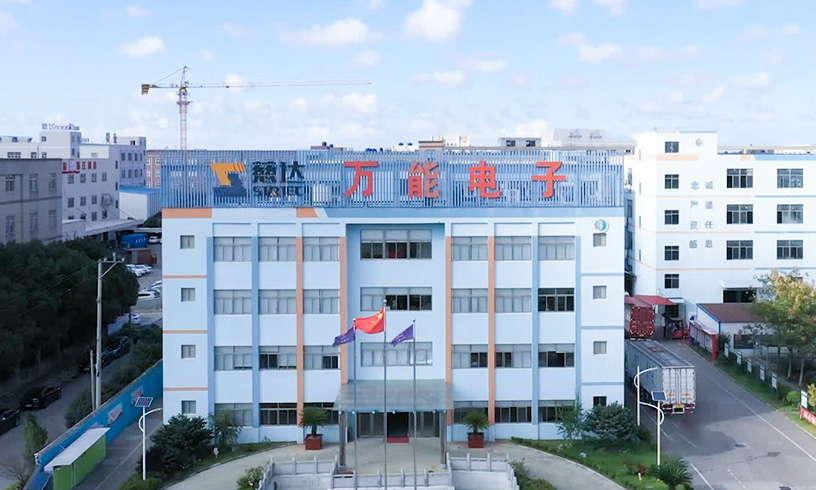
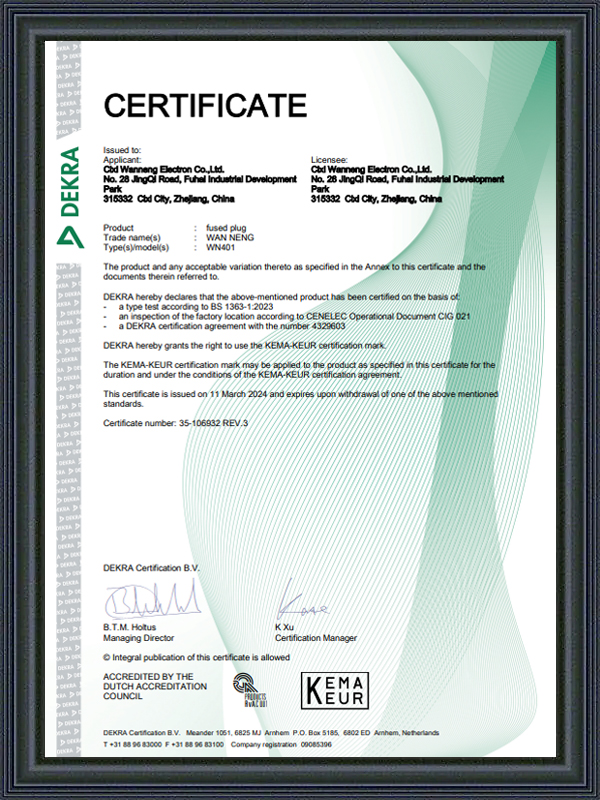
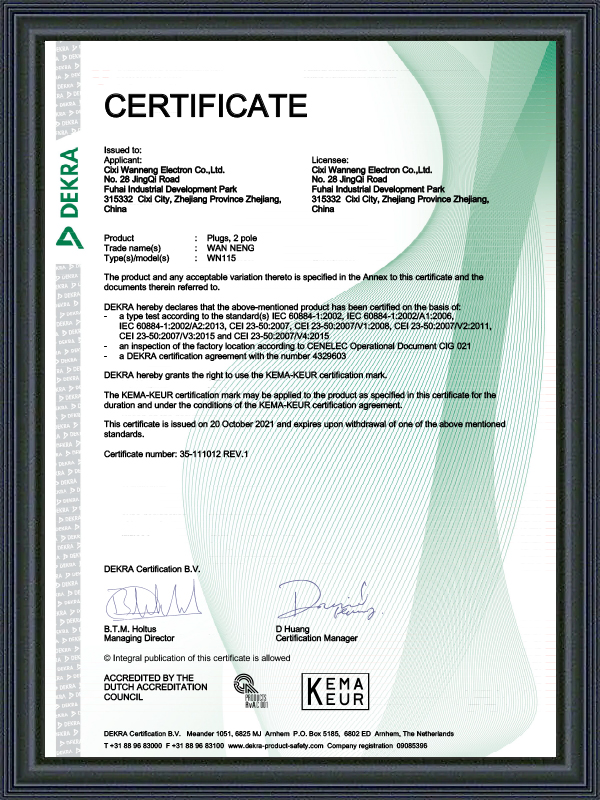
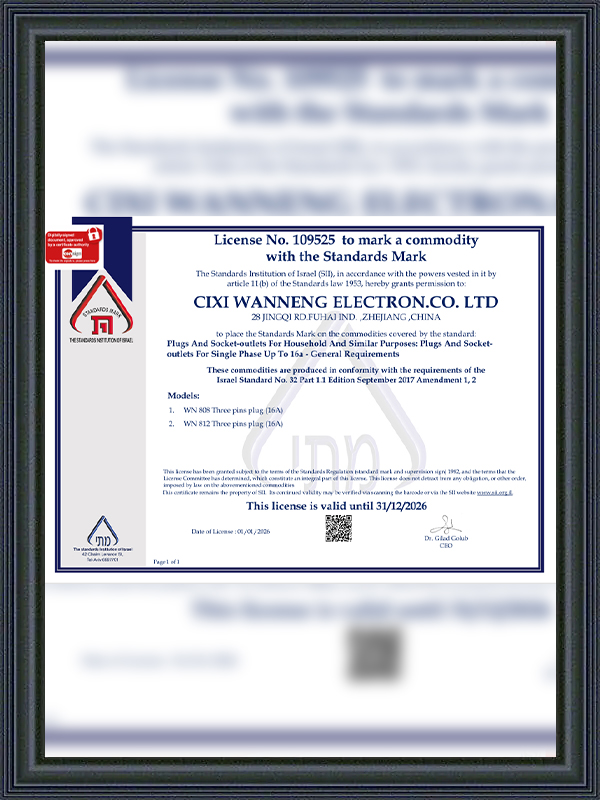
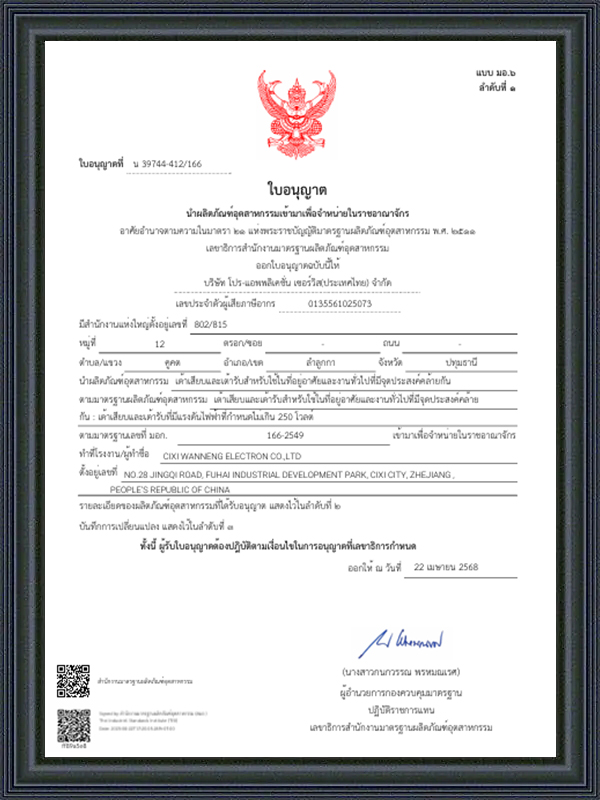
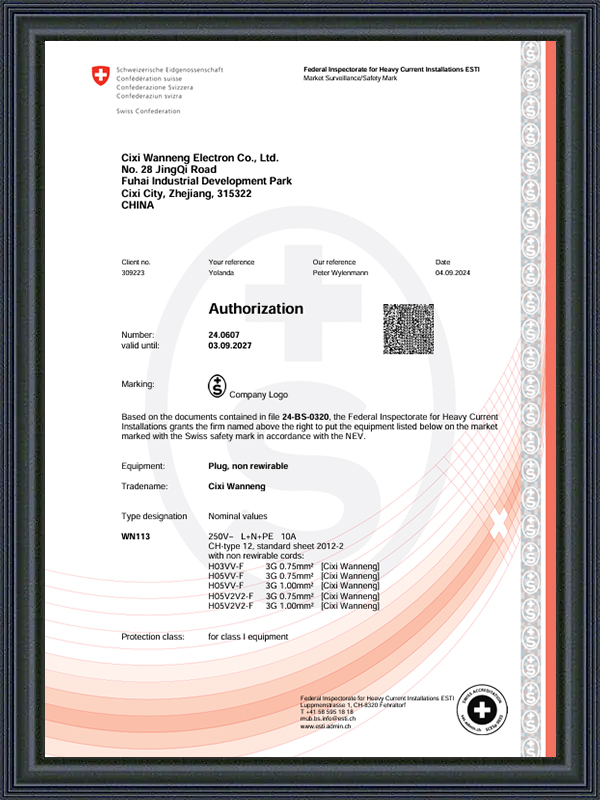
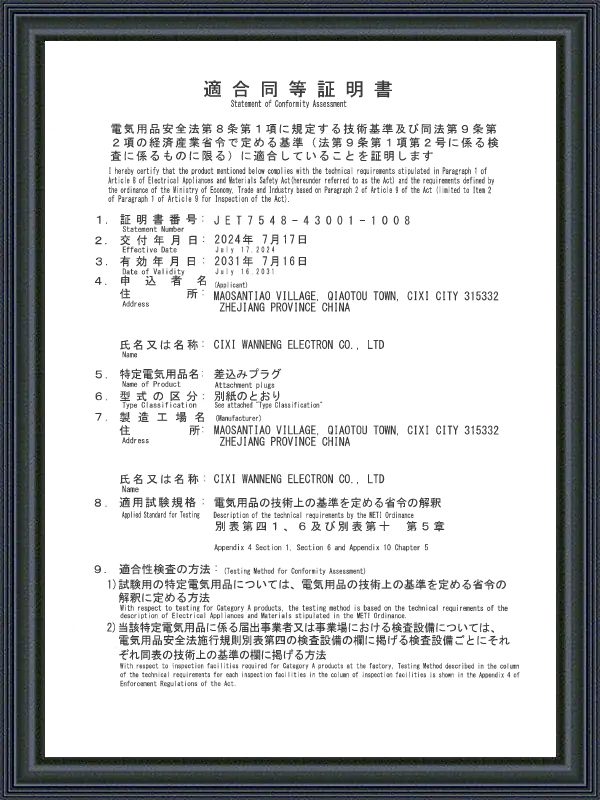
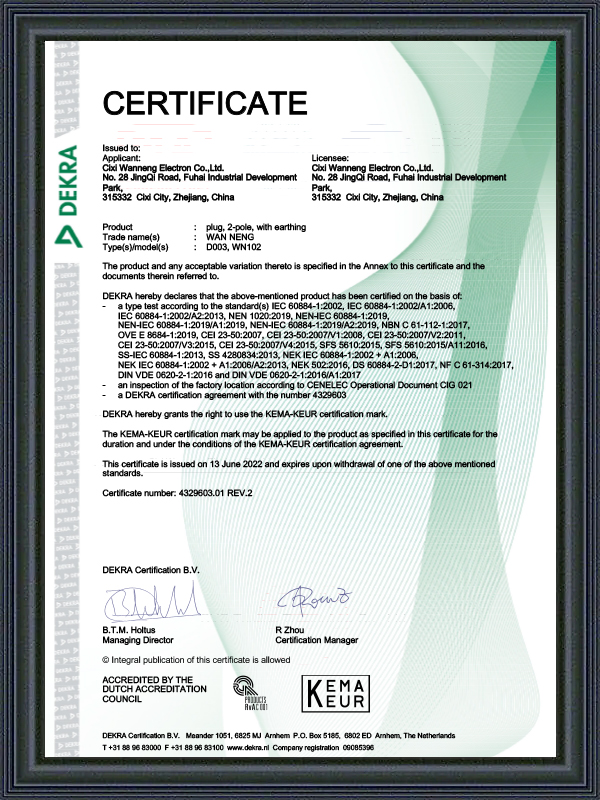
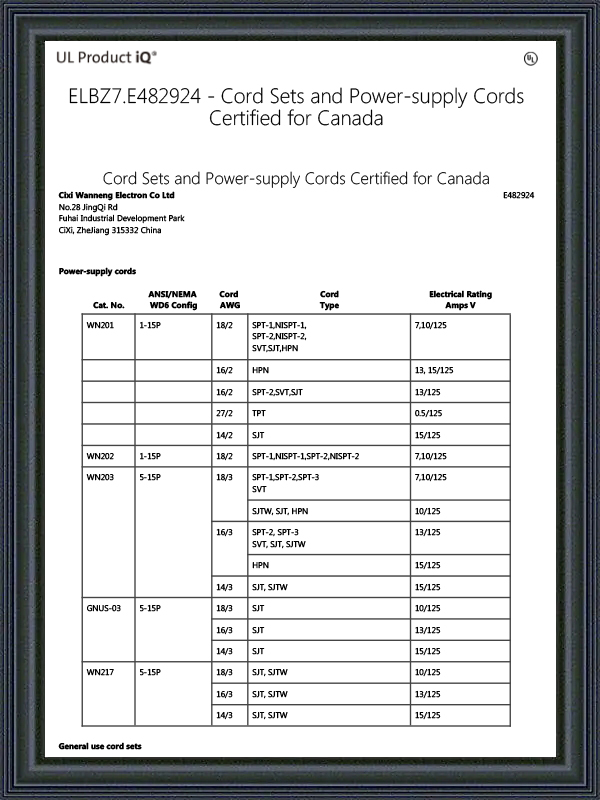
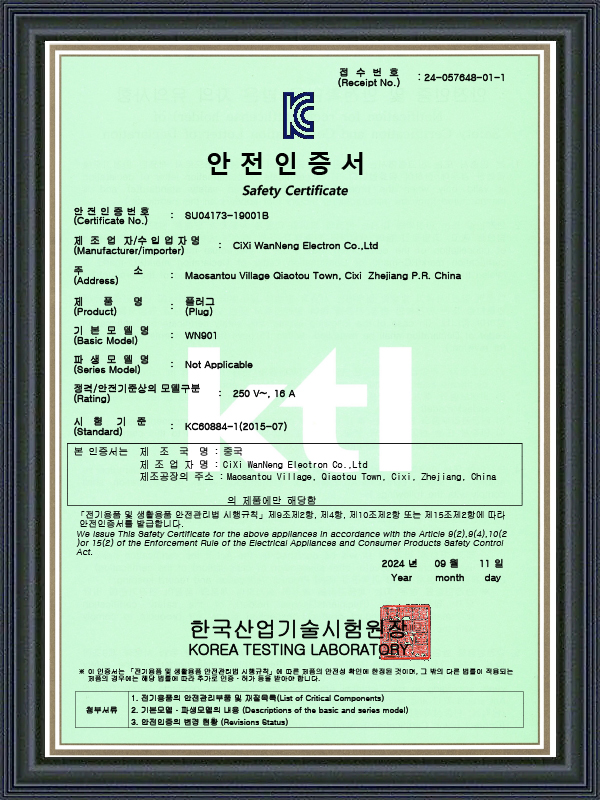
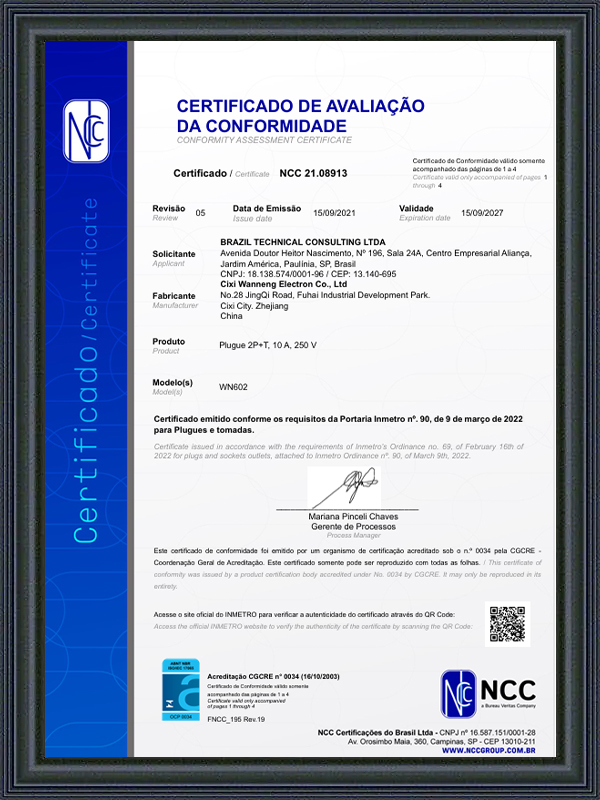
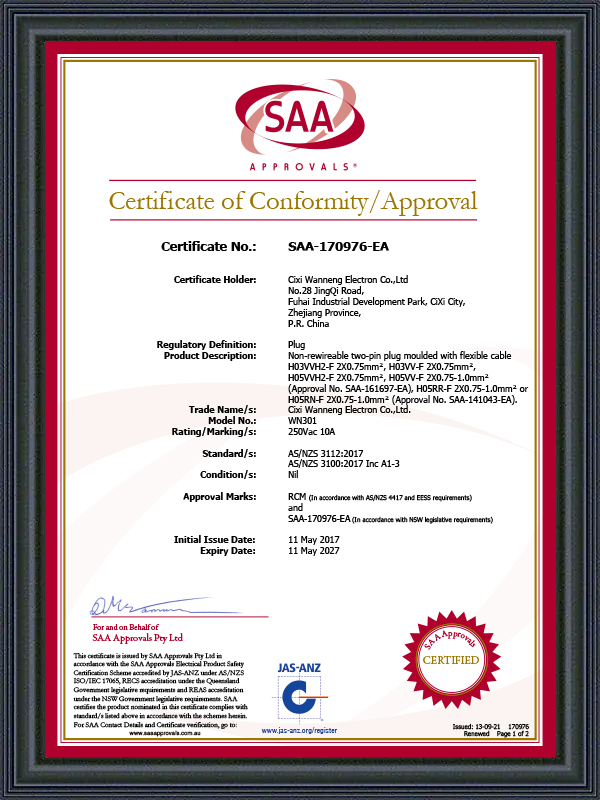
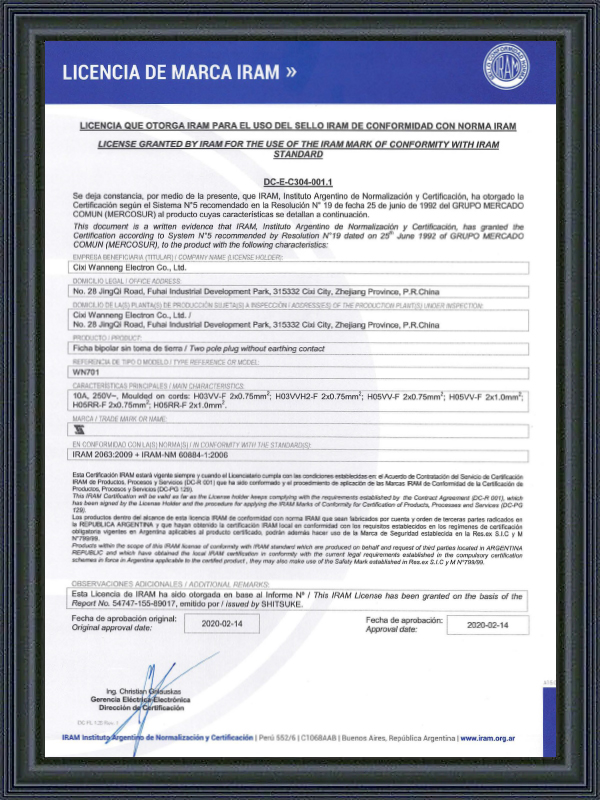
The value of pelletized rubber material depends heavily on the manufacturer's process control and quality assurance capabilities. Cixi Wanneng Electron Co., Ltd., founded in 1995, is a reliable manufacturer of power cords, rubber cables, data cables, and harness assemblies, with full in-house capabilities ranging from copper wire drawing to plug molding. This integrated production model allows tighter oversight of material inputs, including rubber compounding, which supports consistent quality across finished cable products. Its smart factory produces 600,000+ units daily, backed by 100+ engineers and multiple international certifications, including UL, VDE, CCC, SAA, UKCA, CE, RoHS, and REACH, serving home appliances, medical equipment, power tools, and industrial clients across many regions.
For buyers evaluating suppliers, requesting batch consistency data and material certification records is a practical way to verify that pelletized rubber material meets the mechanical and electrical requirements of a specific application before large-scale procurement.
Frequently Asked Questions
Q1: Why is pelletized rubber material preferred over bulk rubber in cable manufacturing?
Pellets allow for more precise, automated dosing during extrusion, resulting in fewer processing defects and more consistent product quality compared to manually fed bulk rubber.
Q2: Does pelletized rubber material affect the flexibility of finished cables?
Yes, the formulation and mixing consistency of the pellets directly influence flexibility, so uniform pellet quality helps ensure cables maintain stable performance under repeated bending.
Q3: How should buyers evaluate a pelletized rubber material supplier?
Look for documented process controls, consistent batch testing, and relevant industry certifications to confirm the material will perform reliably in the intended application.

